
Choosing an architect for a commercial building project
By Anadolu Mimarlık

What are you appointing the architect to do?
Before asking for fees, describe the building and the decision you need to make. Include its intended use, lease position, budget basis and target occupation date. Then say how far the architect’s appointment should extend: feasibility, a planning application, technical drawings, tender support or involvement during construction. A proposal for concept design will buy a different service from an appointment that continues through delivery.
For a refurbishment, include existing drawings and what you know about structure, services and previous alterations. For a commercial development, describe the site and the operational requirement rather than fixing a floor area before feasibility. Identify the business decisions that depend on the design: taking a lease, agreeing funding, relocating a team or committing to construction.
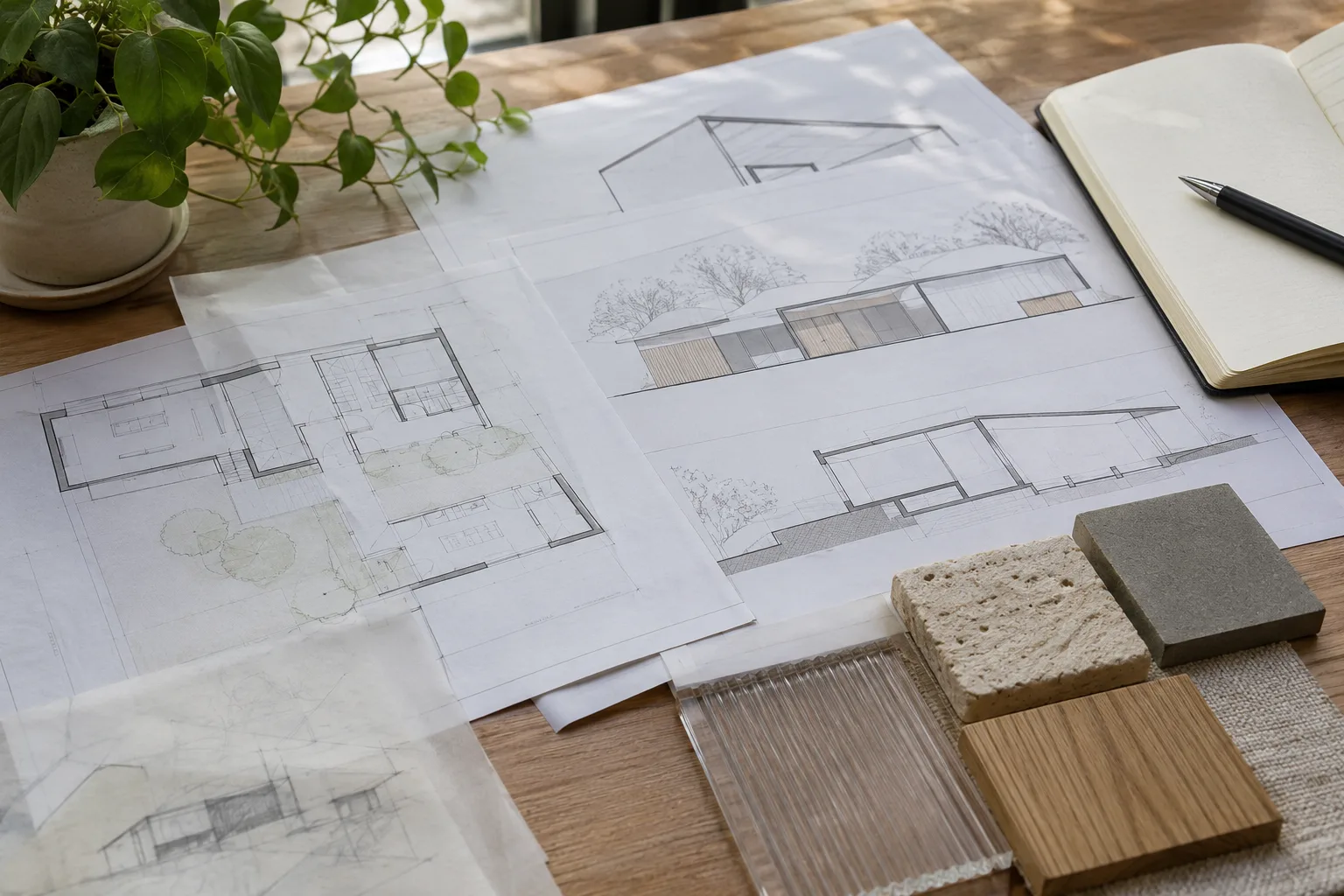
Check the individual as well as the practice
Use the Architects Registration Board's register to check anyone presented as a UK architect. Registration is a starting point, not evidence that a particular person has completed your type of project. Ask who leads the work, which specialists are separately appointed and who answers technical queries after the concept is agreed. A large portfolio is less useful if the proposed team had no role in the relevant projects.
Request two comparable references and ask the same questions of each: what was the initial problem, what was the practice's appointment, which work was actually constructed, and what changed during delivery? Discuss a difficult coordination decision. This reveals more about working methods than a tour of finished photographs.
Put proposals into a common scope table
| Compare | What the proposal should identify |
|---|---|
| Design information | Stages, drawings, specifications, model or visualisation outputs |
| Coordination | Structural, building-services and other consultant interfaces |
| Applications | Who prepares, submits and responds; excluded fees and studies |
| Tender and construction | Pricing information, site visits, queries and change administration |
| Commercial terms | Fee basis, revisions, additional services and payment milestones |
Place concept design and technical-design fees in separate columns. Where a bidder excludes measured surveys, show who will commission and pay for them. Ask when the practice needs information or decisions from the client; a delayed lease decision can hold up the programme just as surely as a delayed drawing.
Separate design leadership from statutory roles
In England, the building-regulations dutyholder guidance identifies responsibilities for clients, designers and contractors. These roles need clear appointments; the title “project architect” does not by itself describe every duty. Ask which responsibilities the proposed team accepts and which require another appointment. Use the applicable arrangements in Scotland, Wales or Northern Ireland rather than extending the English process across the UK.
Contract administration, project management and specialist design are also different tasks. Agree how site observations are recorded and what they do, or do not, establish. Occasional visits should not be confused with continuous supervision. Confirm insurance information, communication routes and the procedure for resolving concerns in the written terms.
Interview question: converting a retail unit to offices
Imagine a company adapting a former retail unit into offices. One practice proposes an immediate layout; another first asks about the permitted use, lease restrictions, existing plant and access. Ask both to explain the information needed before they can recommend a layout. Then ask for a first-stage output: options, assumptions, unresolved constraints and the next decision. You can commission that defined stage without committing to an entire construction package.
Before appointment, bring the agreed brief and fee into the same set of documents as the exclusions, named team and programme. Check them against the ARB’s pre-appointment checklist. Any unanswered question about responsibility belongs in the appointment before it is signed.
Frequently asked questions
- Do I need an architect based in the same city?
- Relevant experience and reliable site attendance matter more than a nearby address. Ask who will visit the building, how often, and which local specialists or authority discussions the appointment includes.
- Can I commission design without construction?
- Yes. Architectural design can be a separate appointment. Define the stage, drawings and coordination included, plus who develops the information further or uses it to tender construction.
- What should an architecture fee proposal include?
- It should identify scope, deliverables, team, fee basis, revisions, programme assumptions, exclusions and payment terms. It should also explain additional-service charges and the responsibilities retained by the client.
Related articles
Sources
Let's talk about your next project.
We are with you from first idea to handover.