
Adapting a listed office: conservation and modern use
By Anadolu Mimarlık
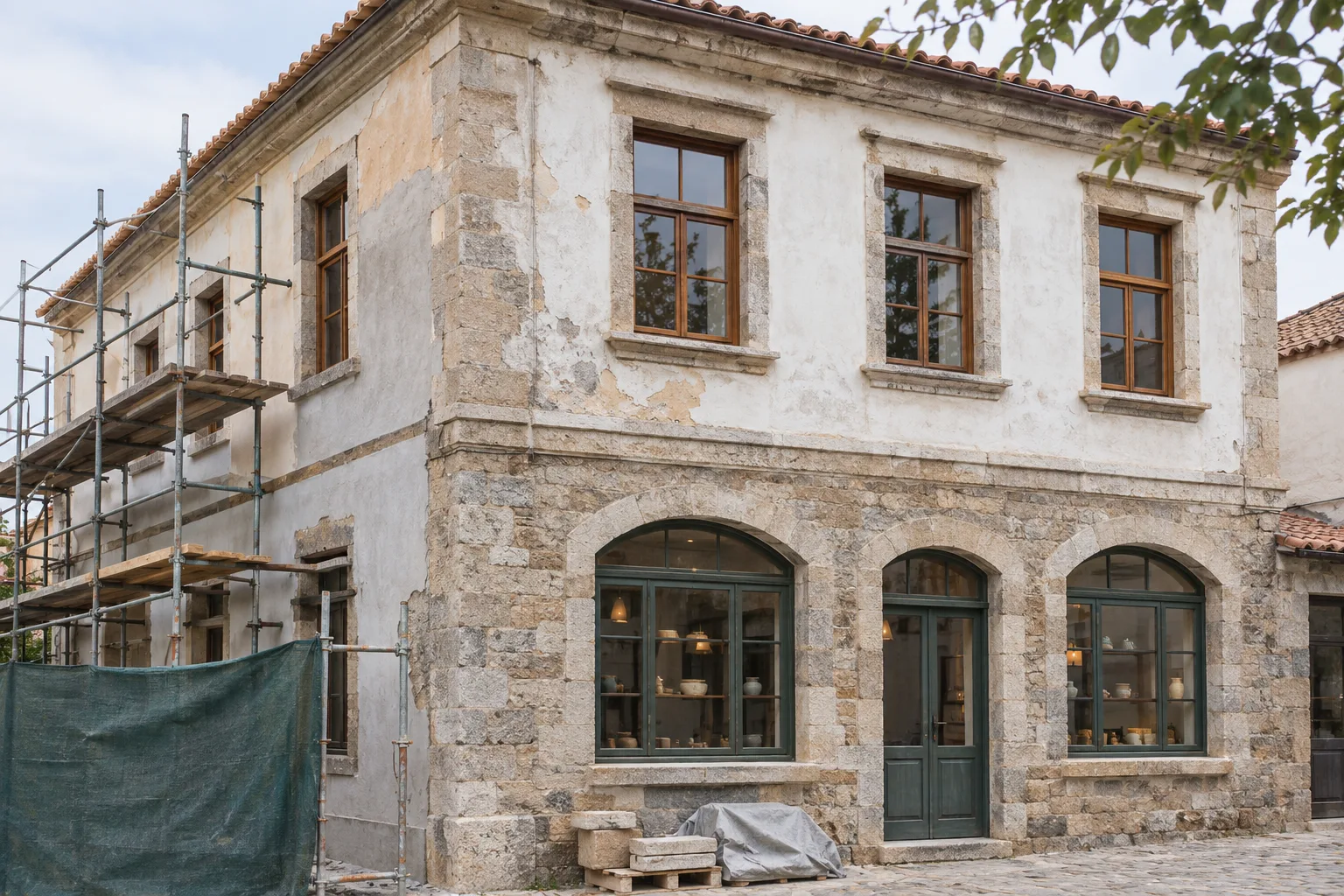
What gives this office its significance?
Start with the listing information, available records, previous alterations and a measured assessment of the building. Identify original fabric, later additions and the features that contribute to its interest. Age alone does not explain significance, and a list description should not be treated as a complete schedule of everything that matters.
Walk through the intended working day, from arrival and visitor reception to servicing and maintenance. Mark the places where those activities conflict with the existing fabric. Even a partition or ceiling can conceal a valued feature or make it harder to inspect. These are the points where the architect and conservation adviser need to test alternatives.
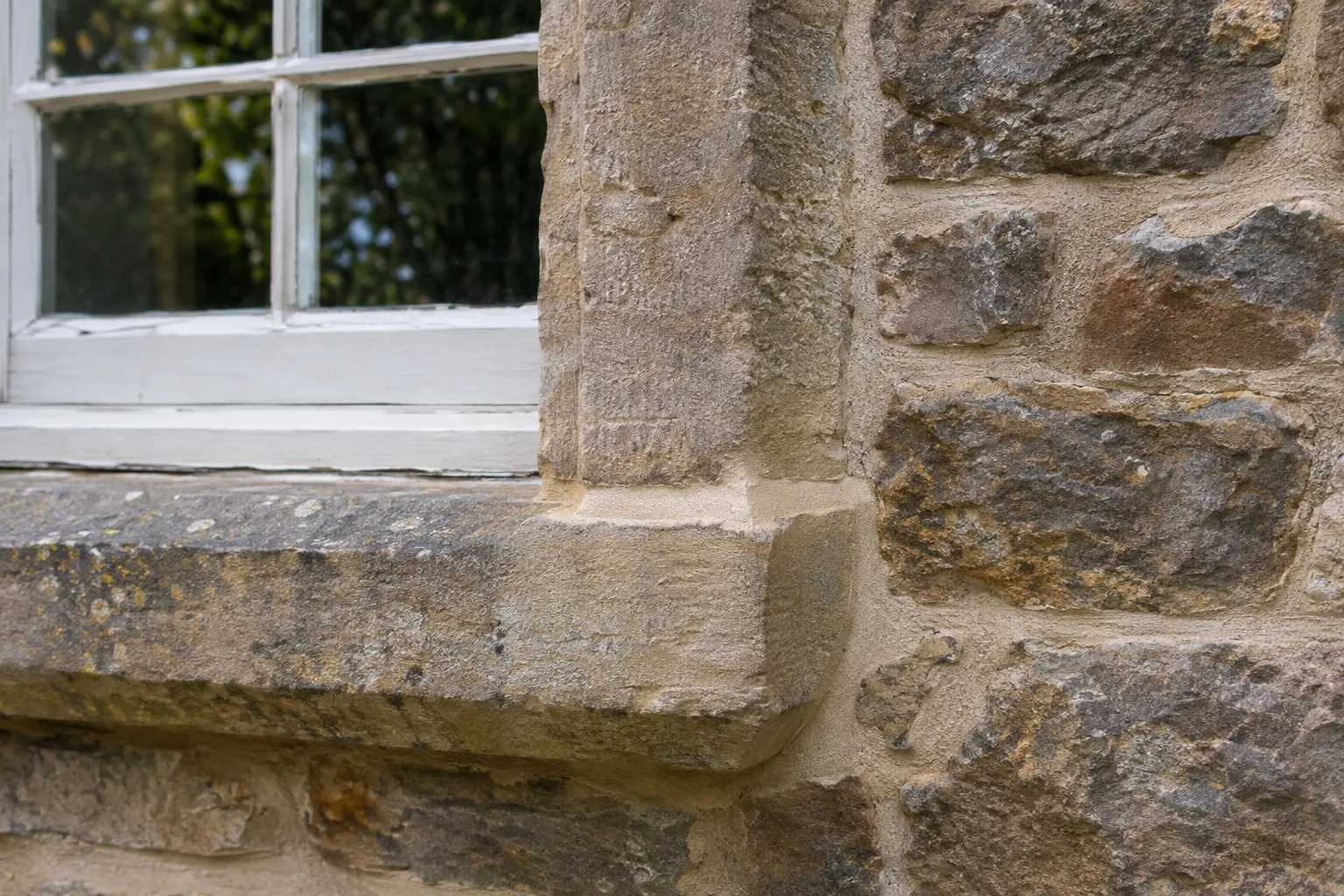
Discuss the consent route early
In England, Historic England explains when listed building consent is needed and recommends an early conversation with the local authority conservation officer. Alterations affecting the building's special interest may include internal work. Planning permission, listed building consent, building control and the landlord's agreement answer different questions; one does not automatically replace another. Confirm the relevant arrangements elsewhere in the UK.
Prepare a proportionate explanation of significance, the proposed changes, the options considered and their effect. Ask the appointed adviser what evidence the authority needs. Do not promise an approval date based on a generic programme. If investigative opening-up or trial work is proposed, establish how that work itself should be agreed before proceeding.
Westminster and Camden: commission the right evidence
For a London project, use the checklist of the authority responsible for the address. Westminster publishes a listed-building-consent checklist; Camden’s heritage-statement guidance covers significance, the justification for the works and their effects, with detail proportionate to the case. Give the relevant requirements to the adviser preparing the submission, even if the team has recently completed a similar application in a neighbouring borough.
Distinguish repair, restoration and reconstruction
Repair addresses deterioration while retaining suitable existing material. Restoration seeks to recover or reveal a justified earlier condition. Reconstruction recreates lost elements and needs a clear evidential basis. Adaptive reuse introduces a different function. These approaches can occur in the same project, but they should not be used interchangeably to describe wholesale replacement.
Record the cause of decay before specifying a finish. Repainting a damp wall without understanding the moisture path can conceal an unresolved problem. Discuss compatible materials, testing and specialist workmanship with the conservation team. Use small agreed samples and record the accepted result before repeating a treatment.
Design services around the building
Survey available routes for ventilation, electrical distribution, data and safety systems. Compare their effect on important surfaces, maintenance access and future alteration. A short service route is not necessarily the least harmful if it cuts through valuable fabric. Equally, hiding equipment behind a decorative enclosure is not successful if the system cannot be inspected or replaced.
For example, a new meeting room may need additional ventilation. Compare a route through an existing void with a new penetration, a different room position or an alternative equipment arrangement. Record why the selected solution meets the operational requirement with an acceptable intervention. Let the specialist design establish performance rather than choosing a product from appearance alone.
Choosing a conservation reference
Anadolu Mimarlık’s Vakıfbank Etiler branch in Turkey is a commercial refurbishment reference. When the appointment involves a listed office, ask for a conservation reference too, with the building’s protected status and the team’s role documented. That lets you assess experience of the consent process and treatment of historic fabric separately from general refurbishment coordination.
Ask how repair choices related to the building’s significance and consent conditions, and how the team handled discoveries during work.
Plan investigations and recording into delivery
Build time into the programme for discoveries behind later finishes. Agree hold points for reviewing exposed conditions before dependent work continues. Keep samples and photographic records tied to locations, and retain the decisions about repair, retention and replacement with the maintenance information. The next person working on the building will need that record.
Frequently asked questions
- Can a listed office be modernised?
- Often yes, where the proposed changes are appropriate to its significance and receive the necessary permissions. Start with a building-specific assessment and early conservation advice rather than assuming either complete freedom or a blanket prohibition.
- Does listing protect only the exterior?
- Listing can protect interiors as well as the exterior. The local planning authority and conservation adviser should assess the features and alterations relevant to the particular building.
- Can modern services be installed?
- Potentially. Their routes, fixings, equipment, performance and maintenance must be coordinated with the building and applicable consents. Compare alternatives before selecting the least disruptive workable intervention.
Related articles
Sources
Let's talk about your next project.
We are with you from first idea to handover.