
Planning site infrastructure, utilities and access roads
By Anadolu Mimarlık
Connections beyond the site boundary
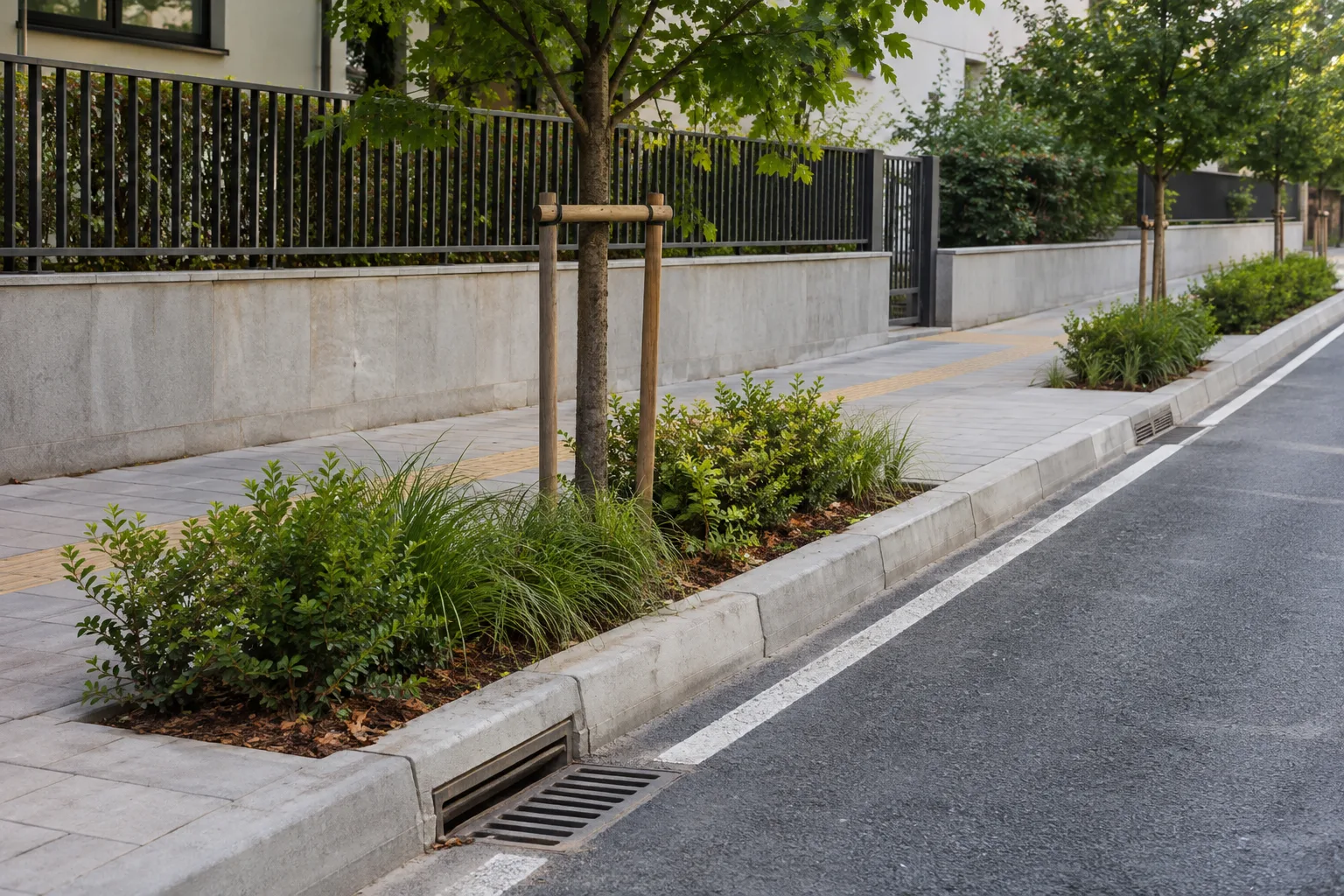
A nearby utility or road connection can look straightforward on a site plan. Before relying on it, establish the available capacity, the rights needed to connect and the organisation responsible for the asset. Map where access joins the public highway and where drainage and other services leave the site. The relevant advisers can then identify agreements or off-site work needed for the development.
Build a base information set covering site survey, existing networks, proposed levels, ground conditions and intended loading. Show the source and confidence of utility information. An approximate record is not sufficient evidence to excavate or position a foundation. The responsible team must establish the investigation and protection needed for the particular work.
A Manchester contractor’s “groundworks” quotation may cover the plot alone or a wider infrastructure package. State the required earthworks and road boundaries, then identify drainage, utilities and connection interfaces separately. Use those boundaries to compare groundworks, civil-engineering and infrastructure proposals.
Separate private roads from highway works
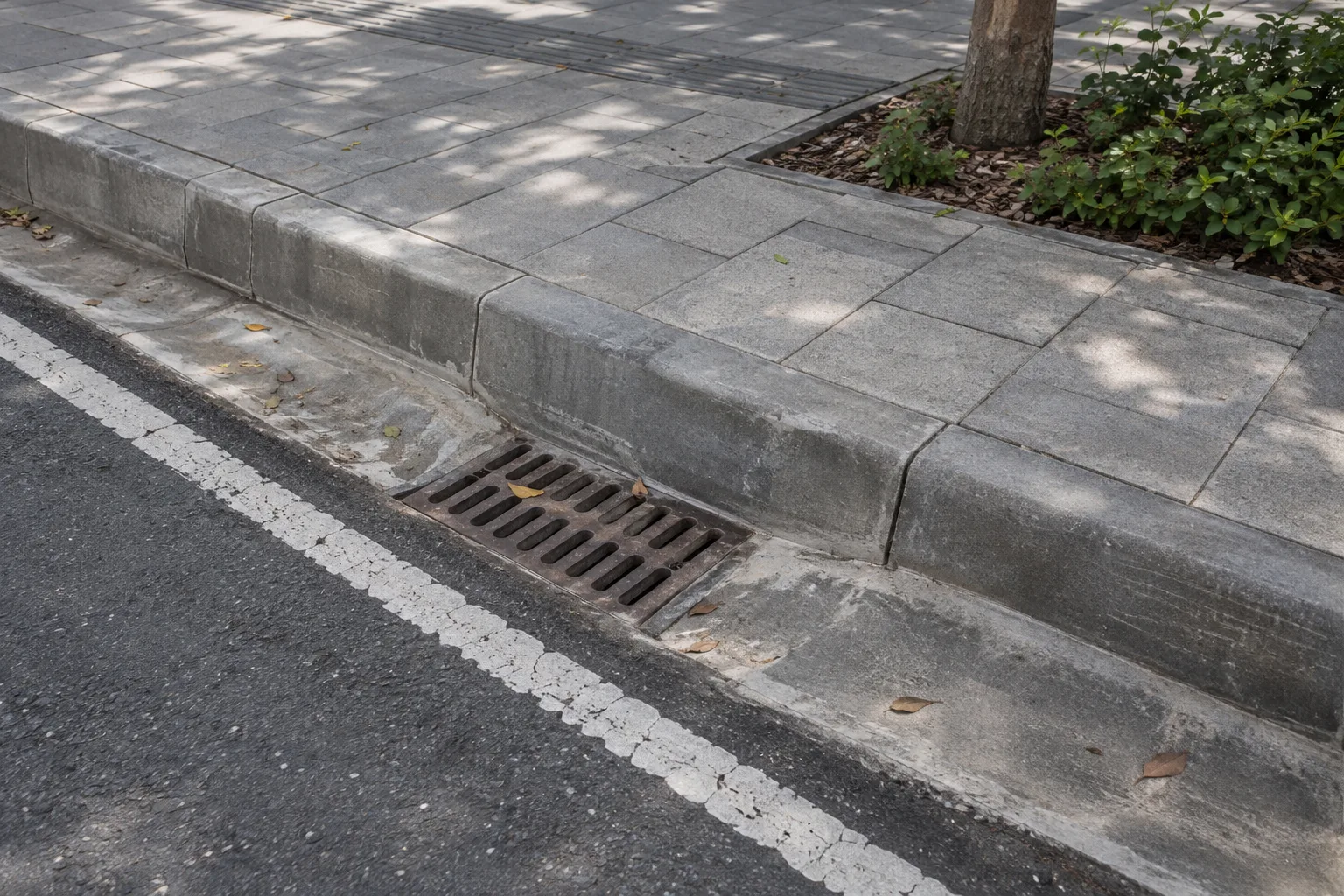
For an English development, discuss adoption and works to the existing highway with the local highway authority. Oxfordshire County Council's Section 38 and Section 278 guidance is an example of how an authority handles new-road adoption and existing-highway agreements. It is a local reference, not a substitute for the requirements of the authority responsible for your site.
Identify what is proposed for adoption, what will remain private and who will maintain each part. Review specification, inspection and documentation requirements before tendering. A road that carries construction vehicles is not automatically ready for permanent handover, and completing a road does not itself establish adoption.
Coordinate drainage with the level strategy
Trace water movement across the whole site, including entrances, service yards and interfaces with neighbouring land. Ask the drainage designer to establish the relevant discharge strategy, assessment and approvals. Include maintenance access and the consequences of blockage or failure in the design discussion.
In England, Defra's sustainable drainage standards address surface-water systems for new infrastructure and development. Their scope and the site's conditions matter; they do not provide a universal detail for every road, contaminated area or retrofit. Agree which standards and approving bodies apply before fixing the drainage package.
Build a utility coordination register
For each service, record owner, demand information, application status, connection point, diversion or protection needs, lead-time assumptions and the party responsible for progress. Track outstanding comments against the current drawing revision. A submitted application is not a confirmed connection date.
Overlay service routes with roads, structures, planting, drainage and future maintenance zones. Check crossings and access to chambers and equipment. Ask each designer to resolve its interfaces rather than relying on a site team to find space after excavation. Keep design changes linked to applications and approvals so that records do not describe an outdated arrangement.
Plan temporary use and permanent work separately
Agree construction access, temporary drainage, welfare connections and protection of work already completed. Sequencing a permanent surface early can provide useful access but may expose it to loading or damage outside its final intended use. Price protection, repair and inspection explicitly.
For example, installing the final access-road surface before a utility connection is confirmed may lead to reopening the pavement. Compare temporary access with a revised connection sequence or early installation of designed and agreed ducts. Price the protection and reinstatement required under each option before selecting the sequence.
Asset ownership at handover
Specify inspections, test records, as-built information, asset identification and maintenance instructions. Record boundaries between private assets, adopted assets and utility-owned equipment. Include defects and outstanding approvals in the handover review, with an owner for every remaining action.
Show essential access and service connections on the building-occupation programme. Track availability and acceptance alongside the construction milestones: a completed reception cannot be occupied as intended if its access or utilities are still unresolved. Update that shared schedule whenever the connection sequence changes.
Frequently asked questions
- Does completing a new road mean the council will maintain it?
- No. Establish the adoption process, agreement and acceptance with the relevant highway authority. Until responsibilities transfer as agreed, do not assume public maintenance.
- Can utility work be priced from records alone?
- Records inform the scope but may require investigation and confirmation. Identify uncertainty, surveys, protection and connection requirements before treating the price and programme as fixed.
- Who should maintain the infrastructure register?
- Assign a named coordinator, with each designer, contractor or applicant responsible for its own information. The register should connect decisions, applications, drawings and delivery dates.
Related articles
Sources
Let's talk about your next project.
We are with you from first idea to handover.